

integratedoven4434
About integratedoven4434
Guide To Ovens Built In: The Intermediate Guide In Ovens Built In
The Comprehensive Guide to Built-In Ovens: A Modern Kitchen Essential
Built-in ovens have actually become a staple in modern kitchens, integrating aesthetic appeals, functionality, and area efficiency into a single appliance. As house owners make every effort for both usefulness and style, comprehending the functions, benefits, and considerations of built-in ovens can considerably enhance the cooking experience. This short article looks into what built-in ovens are, their varied types, setup factors to consider, and FAQs to assist consumers make notified choices.
What is a Built-In Oven?
A built-in oven is a kitchen home appliance created to be integrated into cabinets, developing a streamlined, cohesive search for the kitchen. Unlike freestanding ovens, which inhabit additional flooring space, built-in ovens are confined within wall units or cabinets. They are available in various configurations and sizes, enabling personalized services that accommodate the needs of diverse homes.
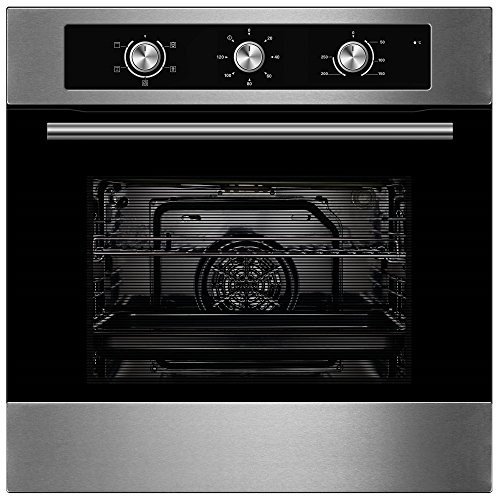
Types of Built-In Ovens
Built-in ovens can be classified into different types based upon their functions and cooking methods. Here are some of the most common types:
-
Single Built-In Ovens
- Best for little kitchens and homes with modest cooking requirements.
- Generally have one main cooking compartment, producing a compact footprint.
-
Double Built-In Ovens
- Perfect for devoted cooks and bigger homes.
- Functions 2 different cooking compartments for flexible meal preparation.
-
Wall Ovens
- Set up at eye level for simple access.
- These ovens typically include convection innovation for even cooking outcomes.
-
Steam Ovens
- Use steam to prepare food, preserving wetness and nutrients.
- Great for health-conscious individuals.
-
Mix Ovens
- Combine microwave and traditional oven performances.
- Deal flexibility for fast meals and conventional baking.
-
Italian or European Style Ovens
- Often designed with special looks and advanced cooking technologies.
- Popular for high-end kitchen styles.
Benefits of Built-In Ovens
Built-in ovens built in (Www.greeny.in) offer a range of advantages that attract modern homeowners looking for both functionality and looks. Some of these benefits include:
- Space Efficiency: Built-in ovens conserve important counter area, which is particularly useful in smaller sized kitchen areas.
- Boosted Aesthetics: With a customized look, built-in ovens improve the total design of the kitchen while offering a smooth combination with cabinets.
- Flexible Cooking Capacity: Available in different sizes, these ovens accommodate the cooking needs of various homes, from single residents to large families.
- Ease of access: The setup at eye level makes built-in ovens simpler to gain access to, reducing the threat of spills or injuries when placing or removing hot meals.
- Lower Energy Consumption: Many built-in ovens featured energy-efficient modes that help in reducing electric intake with time.
Setup Considerations
Installing a built-in oven requires cautious planning and factor to consider. Here are some aspects to bear in mind:
- Dimensions: Before acquiring a built-in oven, determine the space offered to make sure a proper fit. Built-in ovens come in particular standard sizes, so it is vital to pick the best one.
- Ventilation: Adequate ventilation is required for effective operation. Ensure there is a proper exhaust system that adheres to local building regulations to prevent getting too hot.
- Electrical Requirements: Built-in ovens might require specific electrical outlets or wiring. Speak with a certified electrician to make sure that the setup complies with security requirements.
- Professional Installation: Although some property owners select DIY installation, working with a professional can assist make sure safety and proper installation for optimal performance.
Maintenance Tips for Built-In Ovens
Preserving your built-in oven not just lengthens its life-span but also makes sure efficient operation. Here are some necessary maintenance tips:
-
Regular Cleaning:
- Wipe down interior surface areas after each usage to prevent buildup.
- Usage vinegar and baking soda for non-toxic cleansing.
-
Examine Seals:
- Inspect the door seals to prevent heat loss.
- Replace worn-out seals without delay.
-
Test Thermostat:
- Periodically check the temperature accuracy with an oven thermometer. Change settings as required.
-
Service Annually:
- Schedule professional upkeep once a year to inspect electrical components and ensure safe operation.
| Upkeep Task | Frequency | Purpose |
|---|---|---|
| Tidy interior | After each use | Avoid buildup and odors |
| Examine seals | Monthly | Make sure no heat leaves |
| Test thermostat | Every 6 months | Inspect temperature accuracy |
| Expert service | Yearly | Make sure ideal efficiency |
FAQs About Built-In Ovens
1. Do built-in ovens come in various sizes?Yes, built-in ovens are offered in various sizes to fit different kitchen setups and cooking needs. It is important to measure the offered area before purchasing. 2. Can built-in ovens be used as regular ovens?Absolutely. Built-in ovens work like regular ovens,
allowing you to bake, broil, and cook a range of dishes. 3. Are built-in ovens energy-efficient? Many built-in ovens included energy-saving features and are created to utilize less
electricity than freestanding models. 4. How long does installation take?Installation time can differ based on intricacy but generally ranges from 1 to 3 hours. It is advisable to work with an expert for optimal outcomes. 5. What is the life-span of a built-in oven?With proper upkeep, built-in ovens can last anywhere from 10 to 15 years or longer.
Built-in ovens provide a wide variety of benefits for modern families, combining benefit, energy performance, and stylish style into one service.
When choosing and setting up a built-in oven, it’s important to consider the type that best fits your cooking habits, available space, and visual choices. By comprehending the advantages, installation requirements, and upkeep required, homeowners can elevate their culinary experience and develop spectacular kitchens that impress both family and visitors alike. Investing in a built-in oven can be a helpful addition that improves cooking, boosts home worth, and savors cooking delights for years to come.
No listing found.