

best_mobility_scooters4729
About best_mobility_scooters4729
The Complete Guide To Mobility Scooter
Mobility Scooters: A Comprehensive Guide to Enhanced Independence
In the quickly aging global population, the need for assistive devices that boost mobility and self-reliance has actually never been more crucial. Mobility scooters, a popular choice among individuals with mobility issues, have emerged as a crucial tool in maintaining an active and satisfying way of life. This comprehensive guide checks out the world of mobility scooters, their benefits, types, and factors to consider for picking the best model.
What Are Mobility Scooters?
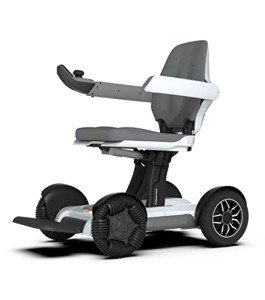
Mobility scooters are motorized vehicles designed to assist individuals with strolling troubles, including those with arthritis, multiple sclerosis, or other conditions that limit mobility. They offer a comfortable and hassle-free way to take a trip short to moderate distances, such as around your house, in the area, or at shopping mall. Unlike manual wheelchairs, mobility scooters are powered by batteries, making them much easier to operate and less physically requiring.
Advantages of Mobility Scooters
- Enhanced Independence: Mobility scooters empower users to perform day-to-day activities without counting on others, fostering a sense of autonomy and self-reliance.
- Enhanced Quality of Life: By allowing users to maintain their social and recreational activities, mobility scooters add to a higher quality of life.
- Decreased Physical Strain: The motorized operation of scooters lessens the physical effort needed to walk around, reducing the danger of tiredness and strain.
- Increased Safety: Features such as safety belt, lights, and horns enhance security, making it simpler to navigate through numerous environments.
- Affordable: Compared to other assistive gadgets, mobility scooters are frequently more cost effective and may be eligible for insurance coverage or government aids.
Types of Mobility Scooters
-
Three-Wheel Scooters
- Style: Compact and nimble, with a smaller turning radius.
- Best For: Indoor use and tight spaces.
- Pros: Easier to navigate in tight areas, lighter weight.
- Cons: Less steady on unequal surface areas.
-
Four-Wheel Scooters
- Style: Sturdier and more steady, with a larger base.
- Best For: Outdoor use and rough surface.
- Pros: Greater stability, much better weight distribution.
- Cons: Larger size, less maneuverable in tight areas.
-
- Design: Lightweight and foldable, designed for easy transport.
- Best For: Travel and portability.
- Pros: Easy to store and carry in a vehicle or on public transportation.
- Cons: Limited speed and variety, might be less comfy for extended usage.
-
Heavy-Duty Scooters
- Style: Built to support higher weight capacities and more rugged use.
- Best For: Users who need a sturdier and more durable option.
- Pros: High weight capacity, robust construction.
- Cons: Heavier and bulkier, might be more expensive.
Elements to Consider When Choosing a Mobility Scooter
-
Planned Use
- Indoor vs. Outdoor: Consider where the scooter will be used most regularly. Indoor scooters are typically lighter and more compact, while outdoor scooters are more robust and have a longer range.
- Travel Needs: If you plan to take a trip with your scooter, a portable model might be preferable.
-
Weight Capacity
- User Weight: Ensure the scooter can support your weight. Heavy-duty models are readily available for users over 300 pounds.
-
Battery Life and Range
- Variety: Check the battery life and range of the scooter. Longer ranges are perfect for outdoor usage.
- Charging Time: Consider how long it takes to charge the battery and whether you can quickly access a charging point.
-
Comfort and Ergonomics
- Seat: Look for a comfy and adjustable seat that supports your back and offers appropriate cushioning.
- Handlebars: Adjustable handlebars can improve comfort and control.
- Footrests: Ensure the footrests are adjustable and supply adequate area for your feet.
-
Security Features
- Brakes: Reliable brakes are necessary for security. Search for scooters with both hand and foot brakes.
- Lights and Horns: These features enhance visibility and assist you interact with others.
- Seat Belts: Some designs include seat belts for added security.
-
Maintenance and Support
- Guarantee: Check the warranty period and what it covers.
- Service and Repair: Ensure the producer or seller provides trusted service and repair work options.
Frequently Asked Questions About Mobility Scooters
Q: Are mobility scooters covered by insurance coverage?A: Many insurance plan, consisting of Medicare, might cover the cost of a mobility scooter under certain conditions. It’s important to consult your insurance company to comprehend what is covered and any required paperwork.
Q: How do I preserve my mobility scooter?A: Regular maintenance is crucial for the longevity and safety of your scooter. This consists of checking the battery, tire pressure, brakes, and lubing moving parts. Describe the user handbook for specific upkeep standards.
Q: Can I utilize a mobility scooter on mass transit?A: Many mass transit systems, such as buses and trains, are geared up to accommodate mobility scooters. Nevertheless, it’s a great concept to consult the transportation provider in advance to ensure your scooter satisfies their size and weight requirements.
Q: Are there any laws or regulations for using mobility scooters?A: Regulations vary by place. In many locations, mobility scooters are categorized as personal mobility gadgets and are subject to specific rules, such as speed limits and designated paths. Constantly check regional regulations to guarantee compliance.
Q: How do I choose the ideal size mobility scooter?A: Consider your height, weight, and the spaces you will be using the scooter in. Test different designs to discover one that fits comfortably and satisfies your needs.
Mobility scooters are an important tool for people with mobility difficulties, using a variety of advantages from improved self-reliance to enhanced lifestyle. By understanding the various types of scooters and thinking about essential factors such as designated usage, weight capacity, and safety functions, users can make an informed decision and delight in the flexibility and convenience these devices provide. Whether for indoor use, outdoor adventures, or travel, a well-chosen mobility scooter can significantly enhance the day-to-day life of its user.
No listing found.